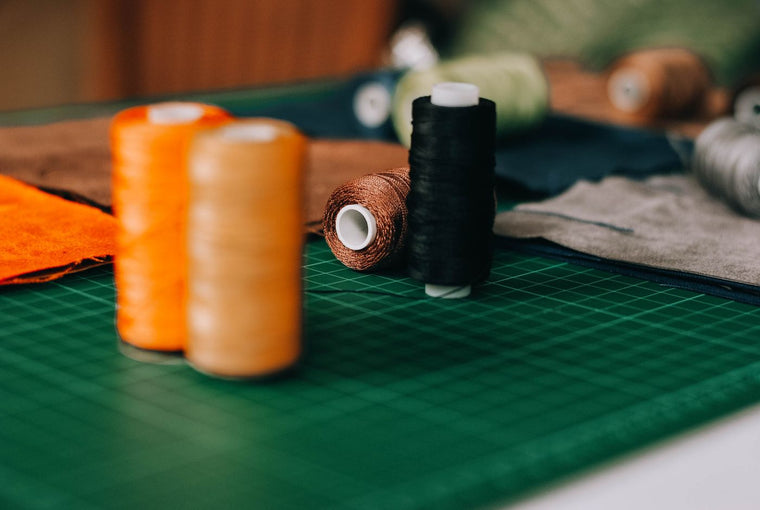
The thread drawer has a special talent for collecting spools whose labels disappeared three projects ago. The simplest way to understand the kinds of thread used in sewing is to sort them by job: all-purpose thread for everyday seams, specialist construction thread for unusual fabrics or loads, and decorative thread for stitches designed to be seen.
For most garment sewing, alterations, mending and general machine work, a good-quality all-purpose polyester sewing thread is a practical starting point. Cotton, silk, rayon, nylon, elastic, topstitching and other specialist threads each have a place, but they are not interchangeable. Choose the thread by its purpose, fibre, weight and compatibility with your fabric, needle and machine.
STI Ideal Threads has supplied sewing thread since 1999, with thousands of colours and over 60 million spools sold. Its 40/2 polyester sewing thread is designed for many everyday sewing, garment, alteration and craft tasks rather than every specialist application.
The Three Main Thread Groups
Thinking in three groups is more useful than memorising a very long list.
1. All-Purpose Construction Thread
Construction thread forms the seams that hold a project together. All-purpose polyester is widely used here because it works for many ordinary woven fabrics, garments, repairs and machine-sewing jobs. It should run cleanly through the needle, form balanced stitches and suit the fabric's weight.
This is the everyday spool: not dramatic, rarely invited into photographs, and responsible for most of the actual work.
2. Specialist Construction Thread
Some jobs need a thread made for a particular construction method or material. Examples include upholstery thread, overlocker thread, extra-fine thread and certain threads intended for heavy topstitching.
Specialist does not automatically mean better. It means designed for a narrower task. A thick upholstery thread may be useful for suitable furnishings but too bulky for an ordinary shirt seam. An overlocker cone may provide the coverage and economy needed by an overlocker, yet not be the right choice for a standard machine's main construction seam.
3. Decorative or Temporary Thread
Decorative threads include many machine-embroidery, rayon and metallic options. They are selected for sheen, colour or surface effect. Temporary threads include basting and water-soluble products designed to be removed or disappear.
These threads solve different problems from construction thread. A beautiful embroidery thread is not automatically suitable for holding a side seam together, just as basting thread should not be asked to make a permanent commitment.
Common Kinds of Sewing Thread
The following comparison covers the thread types most makers are likely to encounter.
| Thread type | Typical role | Useful for | Watch for |
|---|---|---|---|
| All-purpose polyester | Everyday construction | Garments, alterations, mending, crafts and many machine-sewing jobs | Match weight to fabric and test tension |
| Cotton | Construction or quilting, depending on product | Cotton patchwork, quilting and projects where a matte natural-fibre finish is wanted | Usually has less give and may create more lint than polyester |
| Silk | Fine construction, hand sewing or decorative work | Tailoring, basting and delicate fabrics when the specific thread suits the job | Cost, care and matching a fine needle to the thread |
| Rayon | Primarily decorative | Machine embroidery and visible decorative stitching | Many rayon threads are not intended for load-bearing seams |
| Nylon | Specialist construction | Selected upholstery, outdoor, invisible or stretch applications, depending on construction | Heat sensitivity and suitability for the exact fabric and machine |
| Overlocker thread | High-speed seam finishing | Overlock and serger seams | Finer construction and cone format may not suit every ordinary-machine seam |
| Topstitching thread | Visible structural decoration | Bold seams, hems and detail stitching | May need a larger needle, longer stitch and tension test |
| Elastic thread | Gathering and stretch effects | Shirring and selected stretch details | Often used in the bobbin; follow the machine and thread instructions |
| Metallic thread | Decorative | Embroidery and accent stitching | Can separate or snag; use the recommended needle and slower speed |
| Basting thread | Temporary holding | Fitting, positioning and temporary seams | Designed for removal, not permanent construction |
Polyester Sewing Thread
Polyester is a versatile choice for many everyday projects. Spun polyester can be made into smooth, practical construction thread with a small amount of give. That makes it useful for many garment seams, repairs and craft projects when the thread weight and needle suit the fabric.
STI Ideal supplies 40/2 polyester sewing thread. The 40/2 label describes its size and two-ply construction; it is a fine everyday thread, not a claim that it suits heavy-duty upholstery, leather or every denim application. If the numbers on a label seem to have been arranged by a committee, this guide to thread weights and 40/2 polyester explains them plainly.
Cotton Thread
Cotton thread gives a matte appearance and is often associated with patchwork, quilting and sewing natural fibres. Products vary: cotton thread made for machine piecing is different from glazed hand-quilting thread, and the label matters.
Cotton generally has less stretch than polyester and may produce more lint. That does not make it wrong; it makes it a different choice. STI Ideal does not sell cotton thread, so choose a specialist cotton product elsewhere when your technique or desired finish calls for it.
Silk Thread
Silk thread can be smooth and fine, making some varieties useful for hand basting, tailoring, buttonholes or delicate construction. Its exact use depends on its weight and finish.
Treat “silk” as a fibre description, not a complete set of instructions. Check whether the spool is intended for hand sewing, machine sewing, embroidery or another purpose before selecting the needle and tension.
Rayon and Machine-Embroidery Thread
Rayon is prized for lustre and is commonly used for decorative machine embroidery. Machine-embroidery threads are designed to create attractive, even coverage; they may be made from rayon, polyester or other fibres.
Their main job is decoration. Unless the manufacturer says otherwise, do not assume a shiny embroidery thread should replace construction thread in a stressed garment seam.
Nylon, Monofilament and Upholstery Thread
Nylon appears in several specialist forms. Fine monofilament can be used where low visibility matters, while heavier nylon products may be sold for furnishings or other demanding applications.
The category is broad, so the label is essential. Check heat guidance, recommended needles, machine compatibility and end use. A thread intended for an industrial or upholstery task may be too thick for a domestic machine or clothing.
Overlocker or Serger Thread
Overlockers use several thread paths at once and sew quickly, so overlocker thread is commonly supplied on large cones and designed for seam coverage and economy. It may be finer than ordinary all-purpose thread.
Use it where the manufacturer recommends it: in the overlocker needles and loopers, with the machine correctly threaded. For a permanent straight construction seam on a regular sewing machine, choose a thread specifically suitable for that role.
Topstitching and Extra-Strong Thread
Topstitching thread is thicker so the stitching stands out. It is often used for visible hems, pockets and garment details. Extra-strong and upholstery threads are intended for higher-load applications, but those labels cover products with different fibres and specifications.
Thicker thread usually needs a needle with a larger eye and may need a longer stitch or adjusted tension. Test a complete stitch setup on a fabric offcut. Do not put a heavy thread in the bobbin unless the thread and machine instructions support it.
Elastic, Metallic and Temporary Threads
Elastic thread is commonly used to create shirring or gathering, often in the bobbin. Metallic thread produces a decorative shine but can be more demanding to feed smoothly. Basting thread is intentionally easy to remove, while water-soluble thread is designed for temporary positioning.
These are useful tools when the job matches. They are poor substitutes for an ordinary construction thread simply because they happen to be nearest to the machine.
How to Choose the Right Thread
Use this five-question check before buying or threading the machine:
- What is the stitch doing? A construction seam, decorative motif, temporary fitting line and gathered panel need different threads.
- What fabric are you sewing? Consider its weight, density, stretch, surface and care requirements.
- Will the stitching show? A blending seam needs a close colour and modest thickness; topstitching may call for deliberate contrast and a heavier line.
- Which machine and needle will you use? Check the machine manual and thread label, then choose a needle whose type and eye suit both fabric and thread.
- Can you test the full setup? Sew through the same number of fabric layers with the intended needle, stitch length and tension.
If the project is a normal garment or repair, begin with an appropriate all-purpose construction thread. Move to a specialist thread because the project requires its properties, not because the spool looks adventurous.
For a more detailed machine-specific checklist, see how to choose thread for a sewing machine.
Thread Fibre Versus Thread Purpose
Fibre tells you what the thread is made from. Purpose tells you what the product was designed to do. You need both.
Two polyester threads can behave differently if one is a fine all-purpose spun construction thread and the other is a glossy machine-embroidery thread. Two cotton threads can also differ if one is designed for machine piecing and another has a finish intended only for hand quilting.
Read the spool label for:
- Fibre content
- Thread size or weight
- Intended use
- Hand, domestic-machine, overlocker or industrial compatibility
- Care or heat guidance
- Recommended needle information, when provided
When an old spool has no label and its condition or purpose is uncertain, use fresh, identified thread for an important project. Mystery thread is charming in a tin; less charming halfway through a finished seam.
How Weight, Needle and Tension Work Together
Thread type cannot be chosen in isolation. A thread must pass through the needle eye without abrasion, sit properly in the fabric and form a balanced stitch with the lower thread.
A heavier thread usually needs a larger needle eye. A fine thread and lightweight fabric usually call for a finer compatible needle. The needle point must also suit the fabric: woven, knit and speciality materials may require different designs.
Test before changing several settings at once:
- Install a fresh, suitable needle.
- Thread the machine correctly with the presser foot raised if the manual directs.
- Wind and insert the correct bobbin evenly.
- Sew on a folded offcut that copies the real seam.
- Inspect both sides for balanced stitches, puckering, skipped stitches or fraying.
- Make one adjustment at a time.
Thread trouble is often a setup problem wearing a tiny disguise. Correct threading, a suitable needle and a clean machine solve many issues before tension needs dramatic intervention.
Choosing Thread Colour
Once the thread type is right, choose whether the stitching should blend or contrast.
For a subtle seam, unwind a single strand and lay it across the fabric in natural light. The colour on a tightly wound spool often looks deeper than one stitched strand. If two shades are close, the slightly darker option often blends more quietly than a lighter one, but test both where possible.
For prints, match the background or the colour covering most of the stitch path. For visible topstitching or decorative embroidery, choose contrast deliberately and make a sample first.
STI Ideal offers thousands of colours. The fabric photo colour matcher can help find the closest available STI Ideal shade, but screens, cameras, lighting, texture and dye lots affect appearance. A test seam on the actual fabric remains the useful final check.
A Practical Starter Thread Box
Do not build a starter set around colours that look impressive in a row but never appear in your projects. Start with the garments, fabrics and repairs already in your sewing space.
A practical 10-spool plan might include:
- Two light neutrals, such as soft white and cream
- Two dark neutrals, such as black and navy
- Two mid neutrals, such as grey and beige
- Two colours common in your wardrobe or fabric stash
- Two project-specific close matches
Adjust the mix to your work. A studio sewing uniforms, a quilter working with bright solids and a maker altering a neutral wardrobe need different boxes.
Each STI Ideal Custom Thread Box contains 10 spools of 40/2 polyester sewing thread. Each spool holds 400 yards, approximately 366 metres. You can choose one shade or mix up to five colours in a box. Browse the STI Ideal colour catalogue before building a set around the projects you actually sew.
Common Thread-Choosing Mistakes
- Choosing by colour before checking the thread's purpose
- Assuming every polyester, cotton or silk thread behaves the same
- Using decorative or temporary thread for a permanent construction seam
- Pairing thick thread with a needle eye that is too small
- Treating an overlocker cone as a universal answer for every machine
- Skipping the fabric-layer test
- Changing tension before checking threading, needle condition and bobbin setup
- Buying specialist thread without checking the manufacturer's directions
- Assuming one everyday thread is suitable for upholstery, leather or other demanding uses
The right choice is usually less exciting than the thread display suggests: identify the job, read the label, match the needle and test the seam.
Frequently asked questions
What are the main kinds of thread for sewing?
The main groups are all-purpose construction thread, specialist construction thread, decorative thread and temporary thread. Within those groups you will find polyester, cotton, silk, rayon, nylon, elastic, metallic, overlocker, topstitching and other products.
What is the best all-purpose thread for sewing?
A good-quality all-purpose polyester thread is a practical choice for many everyday garments, alterations, mending and machine-sewing projects. The best thread still depends on the fabric, seam, needle and machine, so check the label and test the full setup.
Is polyester or cotton thread better?
Neither is universally better. Polyester is versatile and has some give, making it useful for many everyday construction seams. Cotton offers a matte natural-fibre option often chosen for patchwork, quilting and selected cotton projects; use the product intended for your technique.
Can I use embroidery thread for normal sewing?
Use embroidery thread for construction only if its manufacturer says it is suitable. Many embroidery threads are designed for decorative coverage and sheen rather than load-bearing garment seams.
Is overlocker thread the same as sewing-machine thread?
Not necessarily. Overlocker thread is often finer and supplied on large cones for multi-thread, high-speed overlock stitching. Use a thread specifically suitable for regular machine construction seams when sewing on a standard machine.
How do I know what weight of thread to use?
Start with the fabric weight and the stitch's purpose, then check the thread and machine guidance. The thread should sit neatly in the seam and pass freely through a suitable needle eye without fraying or creating bulky stitches.
Should the top and bobbin thread be the same?
For ordinary construction seams, using the same compatible thread in the needle and bobbin is a straightforward starting point. Decorative and specialist techniques may use different threads, but follow the machine and thread instructions and test first.
How do I choose a sewing thread colour online?
Compare a fabric photo in neutral light, use available colour tools to narrow the choice, and look for the closest available shade rather than expecting an exact screen match. When the thread arrives, lay a single strand across the fabric and sew a test seam.
Build your box
When you know what your machine and fabric need, you can build a custom sewing machine thread box — 10 spools in one shade or a mix of up to five, from thousands of colours in 40/2 polyester. New to choosing thread? Start with choosing the right thread for your project or thread weights explained, or browse the full range in our catalogue.