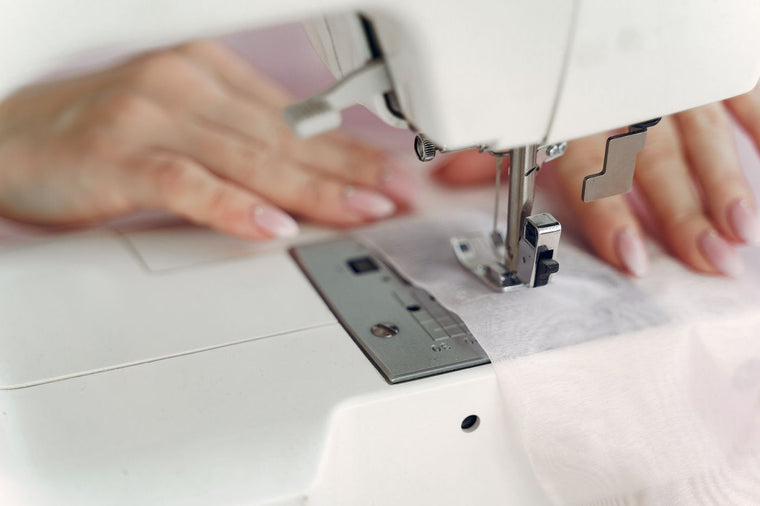
Thread choice looks small until the seam starts shouting, and suddenly the chair, the needle, and the weather are all suspects. For most everyday sewing machine projects, choose a good-quality all-purpose polyester sewing thread in a medium/fine weight, match it to your fabric and needle size, and use the same thread in the top and bobbin unless your project needs something special. If the stitching will show, choose the closest thread colour to the fabric, or a slightly darker shade when two colours are very close.
The right spool helps your sewing machine form cleaner stitches, reduces breakage, and makes your finished project look more intentional. Check the thread before starting a family meeting with your sewing machine.
STI Ideal Threads has supplied sewing thread since 1999, with thousands of colours and over 60 million spools sold. Each Custom Thread Box includes 10 spools of 400-yard, approximately 366-metre, 40/2 polyester sewing thread, so this guide focuses on practical thread choices for real sewing projects.
Quick Thread Choice Checklist
Use this simple checklist before you sew:
- Choose thread that suits the fabric and project.
- Choose a thread weight that your needle and fabric can handle.
- Use fresh, smooth thread that does not snap easily.
- Match the colour to the visible part of the fabric.
- Use the same thread in the top and bobbin for normal construction sewing.
- Test on a scrap before sewing the real project.
If all six points are covered, you are already ahead of many thread problems.
Start With The Project, Not The Spool
The best sewing machine thread depends on what you are making. A light blouse, cotton tote bag, quilt block, craft project, and denim repair do not all ask the same thing from the thread.
For general garment sewing, mending, alterations, craft projects, quilting, and small-batch sewing, a smooth polyester sewing thread is a practical everyday choice. Polyester is popular for machine sewing because it is versatile, widely used, and suitable for many ordinary fabric projects.
Specialty projects may need specialty thread. Heavy outdoor fabric, upholstery, thick denim topstitching, delicate heirloom work, decorative embroidery, elastic shirring, or metallic stitching can all call for a more specific thread type. That does not mean every project needs a special spool. It means the thread should match the job instead of trying to be heroic in unsuitable conditions.
Understand Thread Weight Without Getting Lost
Thread weight tells you how thick or fine a thread is, but the numbering systems can feel like someone designed them during a tea break. In many weight systems, a higher number usually means a finer thread, while a lower number means a thicker thread.
For everyday sewing machine work, medium and fine threads are commonly used because they pass through the needle smoothly and do not add too much bulk to seams. Quality Sewing's guide groups 30-40 wt threads as medium weight and useful for general machine sewing, with universal needles often working for many projects.
STI Ideal's 40/2 polyester sewing thread sits in this practical everyday zone: fine enough for neat stitching on many ordinary sewing projects, while still useful for garment making, mending, alterations, quilting, embroidery use, craft projects, and small-batch work.
If you are sewing very lightweight fabric, a finer thread can help reduce bulk and puckering. If you are sewing thick fabric or decorative topstitching, you may need a heavier thread and a larger needle. Do not force thick thread through a tiny needle eye. That is not sewing; that is a small mechanical argument.
Match The Needle To The Thread And Fabric
A sewing machine forms stitches by moving thread through a needle, through fabric, and around the bobbin thread. If the needle is too small for the thread, the thread can shred, snap, or drag. If the needle is too large for the fabric, it can leave visible holes or cause puckering.
For many everyday projects, a universal needle in a common size such as 80/12 or 90/14 is a practical starting point. Finer fabrics often need a finer needle. Heavier fabrics may need a denim, topstitch, or larger needle. Stretch fabrics may need a stretch or ballpoint needle, depending on the fabric.
When thread keeps breaking, do not blame the spool first. Check the needle, threading path, bobbin winding, tension, lint build-up, and whether the thread is catching on the spool notch. Threads Magazine notes that stitching problems can come from threading, lint, needle issues, or the way the spool feeds into the machine, not only from the thread itself.
Use Fresh, Good-Quality Thread
Old thread can become weak or brittle. Cheap thread can be fuzzy, uneven, or prone to lint and breakage. That does not mean you need the most expensive thread for every project, but it does mean the thread should sew smoothly and hold up to the work.
Before using an unknown spool, pull off a short length and give it a gentle tug. If it snaps too easily, sheds heavily, feels rough, or looks uneven, save it for display, testing, or emergency hand basting rather than an important seam.
This is especially important for machine sewing because the thread travels through guides, tension discs, the needle eye, and the fabric repeatedly at speed. A sewing machine is not being fussy when it rejects bad thread. It is protecting the project, in its own dramatic way.
Choose Thread Colour For Where The Stitching Shows
For seams that should disappear, match thread to the visible fabric area. If two thread colours are close, a slightly darker shade often blends better on medium or dark fabrics. On pale, fine, or pastel fabrics, a lighter shade may sometimes disappear more softly.
The most reliable method is simple: unwind a few inches of thread and lay it across the fabric in natural light. Do not judge colour only from the wrapped spool. Wrapped thread can look darker or stronger than a single strand on fabric.
If you are sewing printed fabric, match the dominant background colour when the stitching crosses several colours. If the stitching sits mainly inside one colour area, match that specific area. For topstitching, you can either match for subtlety or choose contrast on purpose.
STI Ideal's fabric photo colour matcher can help you find the closest available STI Ideal shade. It is especially useful when your eyes have compared three similar beige shades and quietly requested supervision. Because lighting, screens, cameras, texture, and dye lots affect colour, think of it as a closest-shade helper, not a guarantee that every fabric will be identical to the thread.
Should The Bobbin Thread Match?
For normal construction sewing, use the same thread in the top and bobbin. It keeps tension easier to balance and makes seam behaviour more predictable.
There are exceptions. If you are sewing two different fabric colours together, you may use the same type of thread but match the top thread to the top fabric and the bobbin thread to the underside. Decorative stitching, machine embroidery, and specialty techniques may also use different top and bobbin threads.
If you change thread type between top and bobbin, test first. Different fibre, thickness, and finish can affect tension.
When To Use Specialty Thread
Use specialty thread when the project genuinely needs it:
- Embroidery thread for machine embroidery or decorative sheen.
- Topstitching thread for visible jeans-style stitching.
- Elastic thread for shirring, usually in the bobbin.
- Metallic thread for decorative accents.
- Upholstery or heavy-duty thread for projects that specifically require heavier construction.
- Fine thread for very delicate fabric.
Avoid using serger thread in a regular sewing machine unless your machine setup and project specifically support it. Many large serger cones are made for overlock machines and may feed differently from regular spools.
The easy rule: if the thread was made for a special purpose, check whether your sewing machine, needle, fabric, and stitch type are also ready for that purpose.
How To Build A Practical Sewing Machine Thread Set
You do not need every colour to start sewing well. You need useful colours that match what you actually sew. A thread box should support your projects, not expose your optimism.
For a practical 10-spool sewing machine thread set, choose:
- Black or near-black.
- White or soft white.
- Cream or beige.
- Grey.
- Navy or dark blue.
- A brown or taupe.
- One light colour you use often.
- One dark colour you use often.
- One project colour for your current fabric.
- One accent or repair colour.
With STI Ideal's Custom Thread Box, you can choose from thousands of colours and build a 10-spool box with one shade or mix up to five colours. Each spool holds 400 yards, approximately 366 metres, which is useful for everyday sewing, repairs, and project planning.
Common Mistakes To Avoid
Do not choose thread only because the spool colour looks pretty. Lay the strand on the fabric first.
Do not use brittle vintage thread for important seams. Keep it for display if it has sentimental value.
Do not pair thick thread with a needle that is too small.
Do not use specialty thread when a smooth everyday thread would do the job better.
Do not assume every thread break is a thread problem. Rethread the machine, check the bobbin, change the needle, clean lint, and test again.
Do not buy a random colour pack if half the shades will never meet your fabric stash. Ten useful spools beat a drawer full of mystery shades.
The Simple Takeaway
Choose sewing machine thread by project, fabric, weight, needle size, and colour. For everyday sewing, a good-quality polyester sewing thread in a practical weight is usually the calm choice. Test the thread on fabric, match the colour where the stitching will show, and keep specialty threads for specialty jobs.
If you want to build a practical set, start with colours you actually sew. STI Ideal's Custom Thread Box lets you choose 10 spools of 400-yard 40/2 polyester sewing thread from thousands of colours, with a fabric photo colour matcher to help find the closest available shade.
Frequently asked questions
What thread is best for a sewing machine?
For many everyday projects, good-quality all-purpose polyester sewing thread works well in a sewing machine. Choose the thread weight, needle size, and colour based on the fabric and project.
Can I use polyester thread in a sewing machine?
Yes. Polyester sewing thread is commonly used for machine sewing and is practical for many garments, alterations, craft projects, quilting, and general sewing tasks.
What size thread should I use for a sewing machine?
For general sewing, medium or fine sewing thread is usually easiest to work with. The right size depends on fabric weight, needle size, and whether the stitching should be subtle or decorative.
Should bobbin thread match the top thread?
For normal construction sewing, yes, using the same thread in the top and bobbin helps keep tension simpler. You can use different colours or threads for decorative stitching, embroidery, or two-sided fabric projects, but test first.
Why does my sewing machine thread keep breaking?
Thread can break because of old or poor-quality thread, incorrect threading, a badly wound bobbin, tension problems, lint build-up, a rough thread path, or the wrong needle size. Change the needle and rethread the machine before blaming the spool.
Can I use serger thread in a regular sewing machine?
It is usually better to use regular sewing machine thread in a regular sewing machine. Serger thread is made for overlock machines and can feed differently, especially from large cones.
How do I choose thread colour for fabric?
Lay a single strand of thread across the fabric in natural light. Match the area where the stitching will show. If two shades are close, a slightly darker shade often blends better on medium or dark fabric, while lighter shades can work better on pale fine fabrics.
Build your box
When you know what your machine and fabric need, you can build a custom sewing machine thread box — 10 spools in one shade or a mix of up to five, from thousands of colours in 40/2 polyester. New to choosing thread? Start with choosing the right thread for your project or thread weights explained, or browse the full range in our catalogue.